
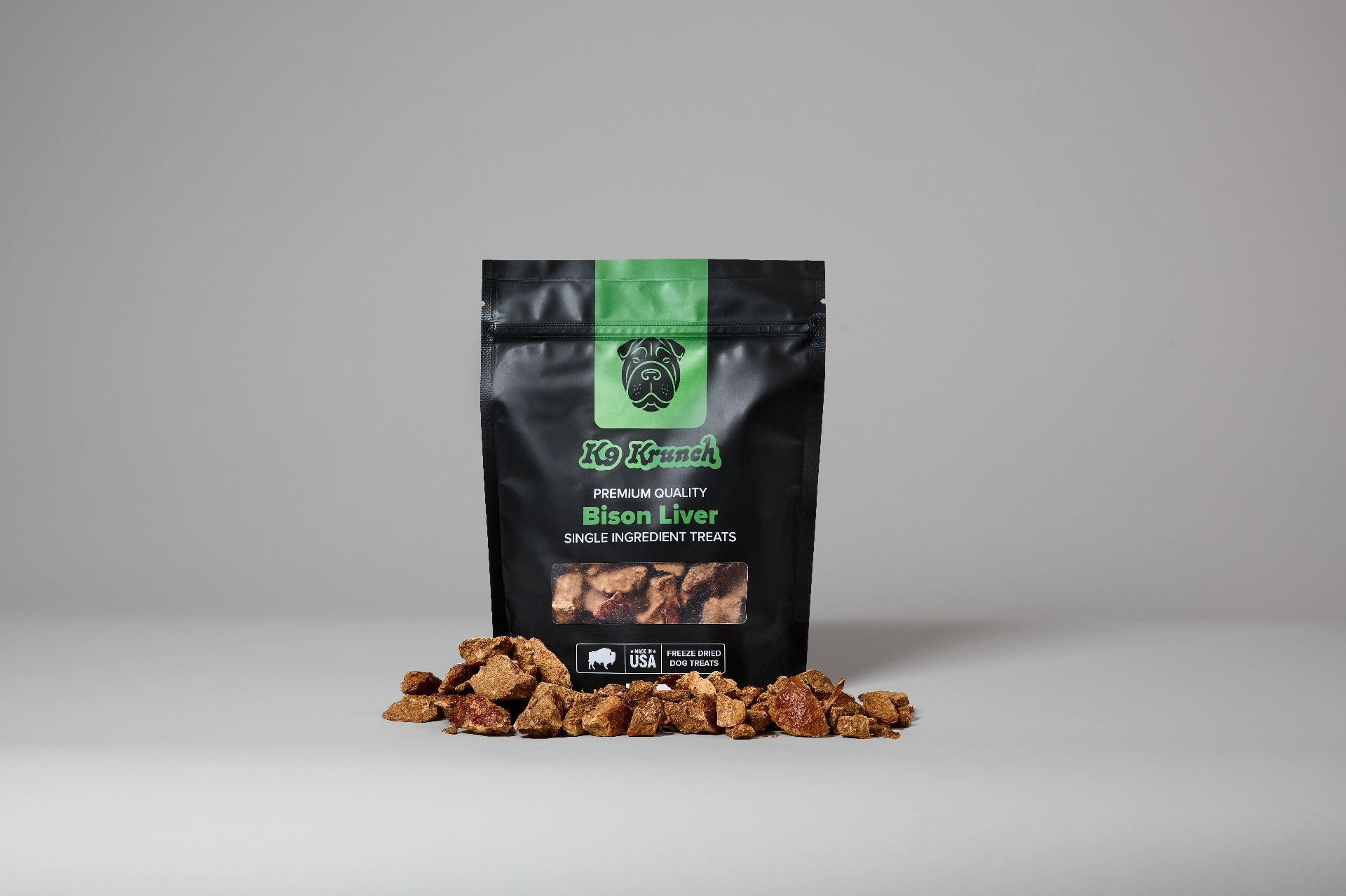
Flip over a bag of mainstream dog treats and start reading the ingredient list. By the time you hit the third or fourth line, you'll likely encounter something unpronounceable — a preservative, an artificial flavor, a binding agent that exists to hold the treat together rather than nourish your dog.
Now imagine an ingredient list with a single word on it.
That's the whole premise behind single-ingredient treats. And the more you understand about how pet food is formulated, the more radical — and right — that simplicity feels.
Why Ingredient Lists Get Long
Processed dog treats are engineered products. They're designed to hit a certain taste profile, maintain shelf stability for 12–18 months, achieve a consistent texture, and meet a price point. Each of those requirements tends to add an ingredient.
- Shelf stability → preservatives (natural or artificial)
- Consistent texture → binders and starches
- Palatability → flavor enhancers or digest sprays (yes, that's a real thing)
- Color → dyes (often unnecessary, always cosmetic)
None of these additions are inherently malicious. But they are additions — and every addition is something your dog's body has to process. For dogs with food sensitivities, each unknown ingredient is a potential trigger.
The Allergy Identification Problem
Food allergies and sensitivities in dogs are more common than most pet owners realize. Symptoms range from obvious (chronic ear infections, skin irritation, digestive upset) to subtle (excessive licking, dull coat, low energy).
When a dog with food sensitivities is eating treats with 15 ingredients, identifying the trigger is nearly impossible. You'd need to do an elimination diet — removing potential allergens one by one — which takes months and requires strict compliance across every food the dog eats, including treats.
Single-ingredient treats eliminate this variable entirely. If your dog's treats have one ingredient, and they tolerate them fine, you have a clean data point. If there's a reaction, you know exactly what caused it.
This is why vets and veterinary nutritionists frequently recommend single-ingredient treats during elimination diets. They're diagnostic tools as much as they are rewards.
Transparency as a Form of Respect
There's something deeper here beyond nutrition science. When a brand puts one ingredient on the label, they're making a claim that's impossible to hide behind: this is exactly what you're buying.
There's no room for ambiguity about sourcing. No fine print. The ingredient is what it says it is, or the product is fraudulent. That level of transparency creates a kind of accountability that longer ingredient lists simply can't replicate.
For pet parents who read labels on their own food — who care about where their food comes from and what's in it — this matters. The same instinct that leads someone to buy grass-fed beef or organic produce leads them, eventually, to ask the same questions about what they're feeding their dog.
What Single-Ingredient Actually Means
To be clear: single-ingredient doesn't mean unprocessed. Most single-ingredient treats are dehydrated, freeze-dried, or air-dried — processes that remove moisture to create shelf stability without requiring preservatives.
What it does mean:
- No fillers (corn, wheat, soy, tapioca)
- No artificial preservatives
- No flavor enhancers
- No binding agents
- No mystery "natural flavors" (a catch-all term that can mean almost anything in pet food labeling)
The source of the protein is the product. Nothing is added to make it more palatable, more shelf-stable, or more visually appealing. What you see is what your dog gets.
The Ingredients Worth Knowing
Not all single-ingredient treats are nutritionally equivalent. The ingredient itself matters.
Organ meats — liver, heart, kidney — are among the most nutrient-dense foods in any animal's diet. They're loaded with B vitamins, iron, zinc, and quality protein in a highly bioavailable form. This is why bison liver and beef heart are particularly effective as training treats: the nutrient density is real, and dogs respond to it.
Muscle meats offer excellent protein profiles. Fish-based treats tend to be high in omega-3 fatty acids, which support coat health and reduce inflammation.
When you're looking at a single-ingredient treat, you're essentially asking: is this a food my dog's body was built to eat? If the answer is yes, you're in good shape.
The Simple Standard
Health-conscious pet parents increasingly apply the same logic to their dog's food that they apply to their own: fewer ingredients, more recognizable sources, clearer provenance.
Single-ingredient treats aren't a premium niche product. They're the logical endpoint of caring about what you feed your dog. Strip everything unnecessary away and what you're left with is something real.
One ingredient. One source. No questions needed.
K9 Krunch makes freeze-dried treats from a single USDA-sourced ingredient. Bison Liver. Chicken Hearts. Beef Heart. That's the whole list.
How Freeze-Drying Preserves Nutrition Better Than Baking